THE SITUATION
Why This Service Matters
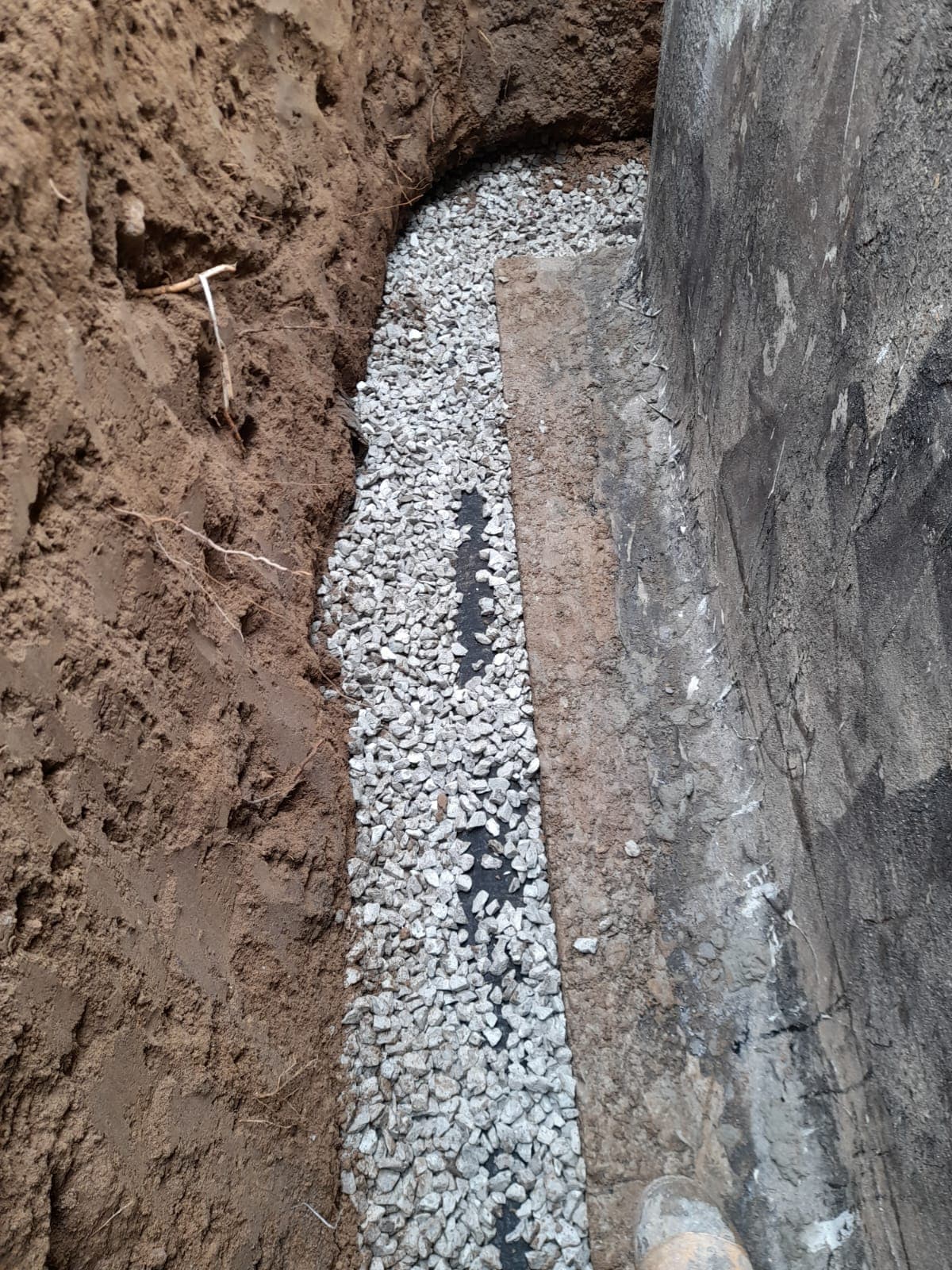
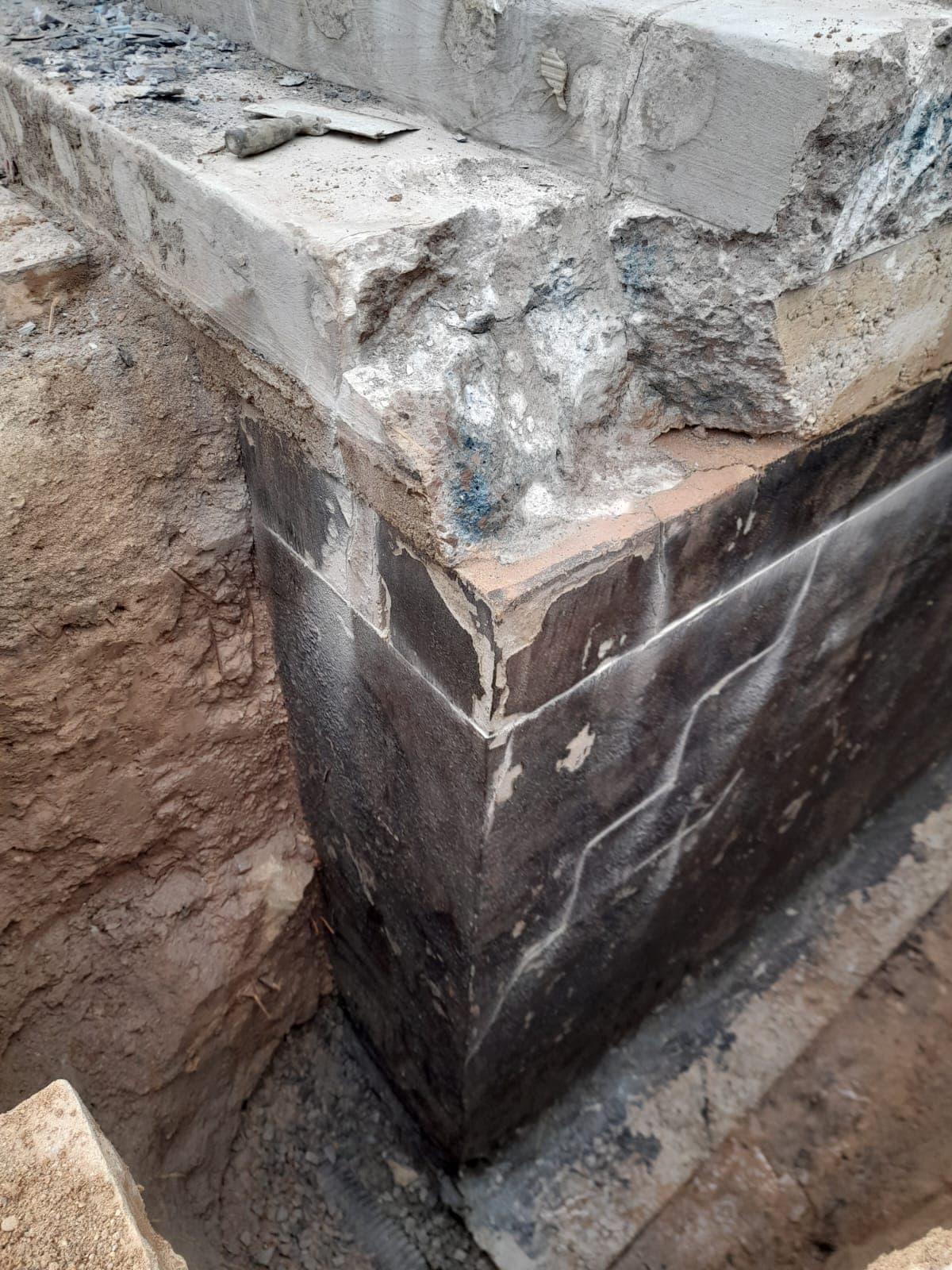
Are you watching the wall–floor joint every time the snow leaves? Many Barrie homeowners have a basement that stays dry all winter and then wets in March. Clay around the foundation holds water, and pressure finds the weakest point. That point is often the cove joint, a settlement crack, a window well, or weeping tile that no longer drains.
When it comes to basement waterproofing, the first step is understanding how water is getting in. It is a practical decision about the path and the system that will give you lasting results. We look at the walls, the grade, the downspouts and the pump, then we explain the options in plain language.
A wet basement is about more than a stain on the floor. Water can ruin carpet and drywall, leave a musty smell, and make it harder to finish or sell the home. If you are planning a rec room or a rental suite, it is worth solving the leak first so you are not opening a new floor later.
A system that matches the leak is usually a worthwhile investment compared with patching the same corner every spring. Interior work in Barrie often lands between $80 and $180 per linear foot. Exterior work is higher because of the excavation. We quote after we see the entry point.
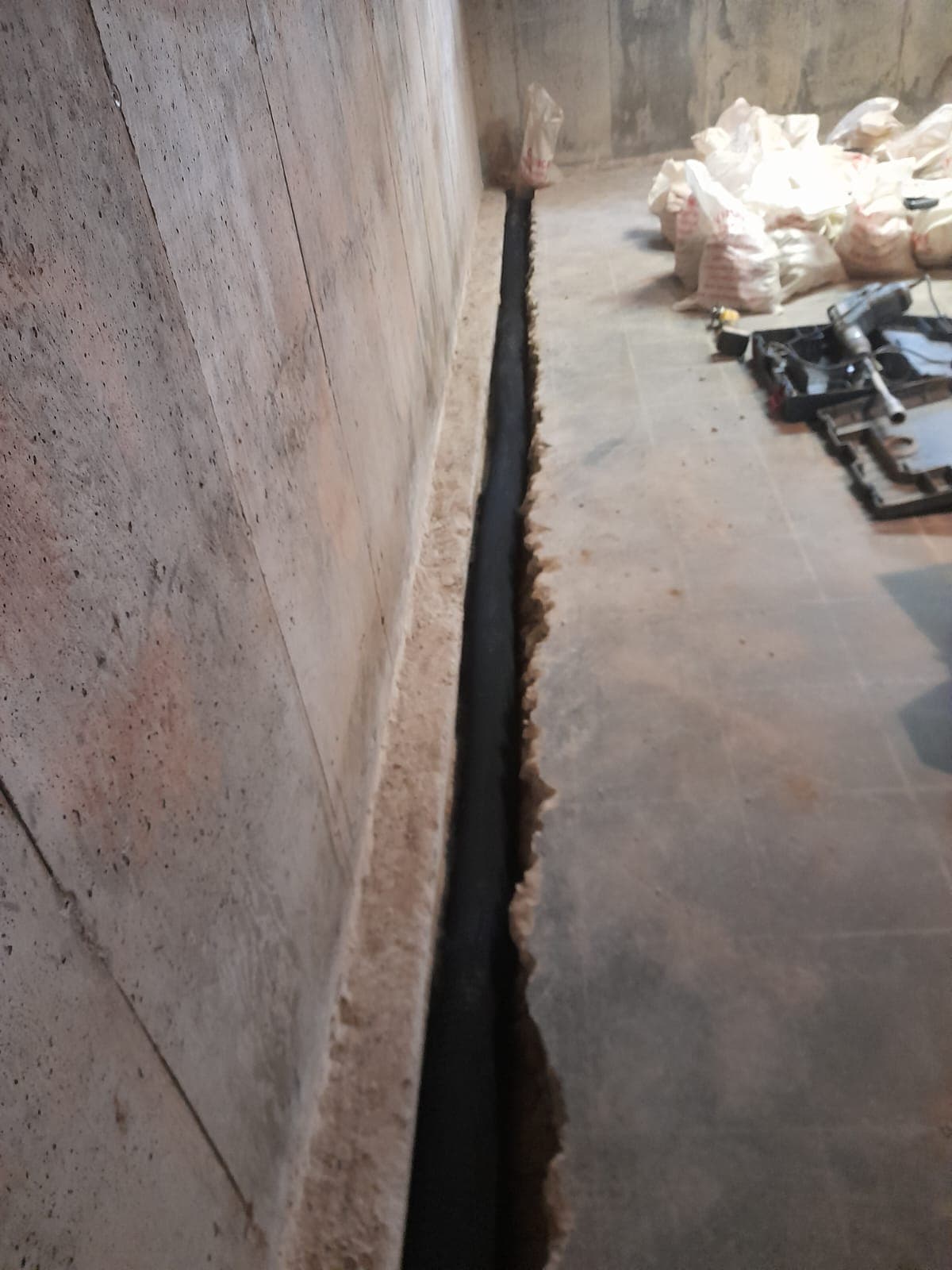
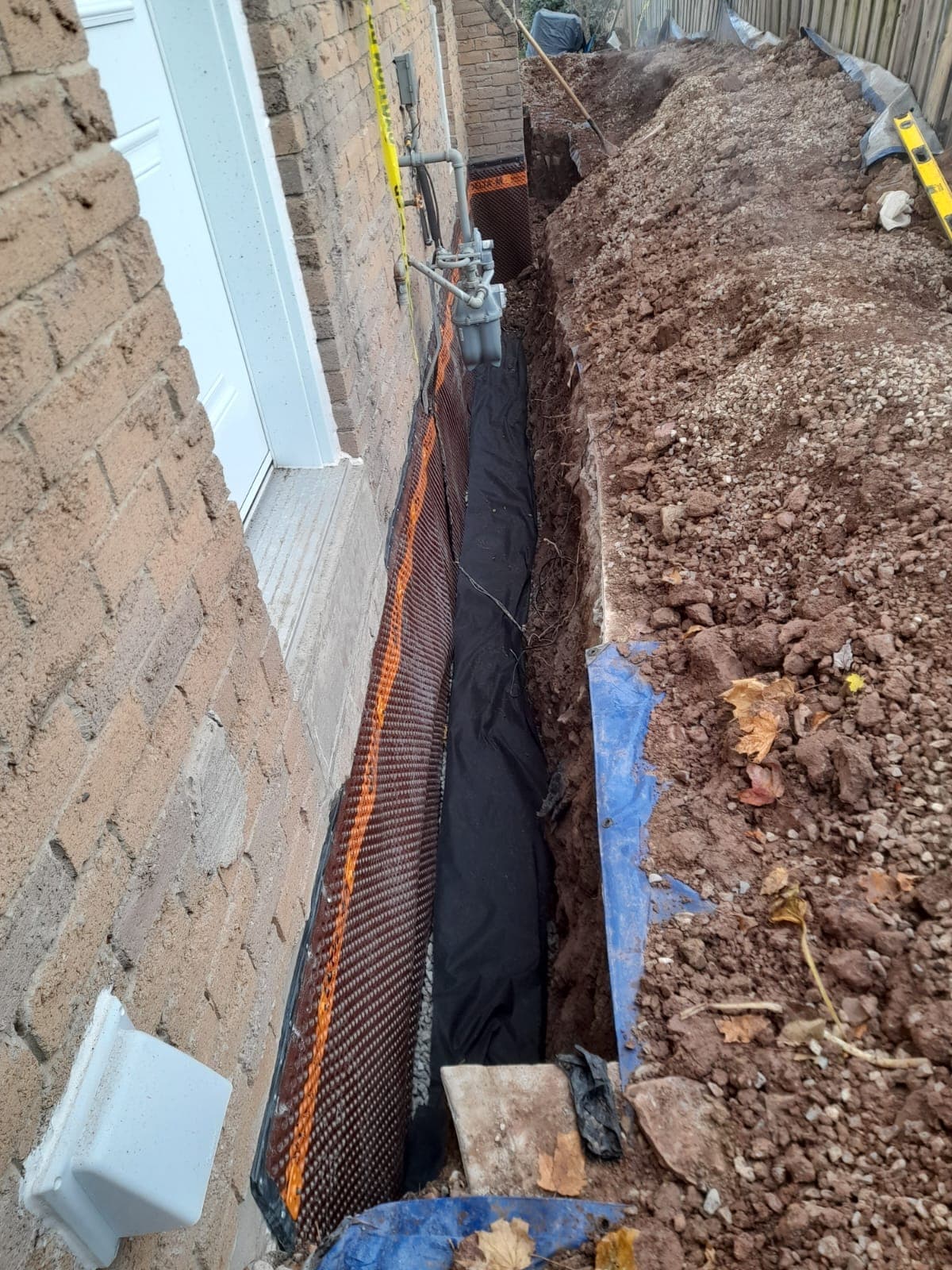
Depending on your needs, that may be interior drainage, exterior excavation, crack repair, a sump upgrade, or a combination. You do not always need the largest project on the list. If one wall is taking the water and the rest is dry, a targeted approach can protect your space and still leave you with peace of mind.
We serve Barrie, Innisfil, Bradford, Orillia, Angus and Springwater. The photos on this site are from jobs in this area. If you would like a closer look at your home, we are happy to visit.
THE RIGHT FIT
When This Service Makes Sense
01
Water appears along the wall–floor joint after rain or snowmelt
02
You are about to finish the basement and want the leak solved first
03
A previous coating or waterproof paint has failed
04
The existing weeping tile or sump cannot keep up
THE WORK
What the Job Involves
01
On-site inspection of walls, grade, downspouts and the pump
02
Written scope: which walls, which method, which materials
03
Interior drain and membrane, exterior excavation, or targeted crack work
04
Sump discharge that actually leaves the property
HOW WE WORK
How We Complete the Work
We start on site, not from a photo. Active water makes the path easier to see. If the floor is under water, let us know when you call so we can plan access.
You receive a written description of the elevations we will work and why. If a crack repair will do, we say so. If the wall needs excavation, we explain that too, so you can decide with the facts in front of you.
Interior systems collect water at the foundation and pump it out. Exterior systems keep water off the wall. Some homes need one. A few need both. Keep in mind that the goal is a dry, comfortable space you can use.
We leave a system you can maintain, especially the pump. A dry basement still needs a pump that works when the next melt arrives. We walk you through how to check it before we leave.
COST
What It Typically Costs
Most Barrie jobs land between $80 and $250 per linear foot. Interior systems sit toward the lower end. Full exterior excavation with membrane and new tile sits higher. Access, foundation depth, finished floors and crack work all change the number.
The most cost-effective option is usually the one that matches the leak. A partial interior drain on the wet elevation is often less than opening four walls. We will tell you if a smaller job would simply move the water, so you can plan with confidence.
Published range
Often $80–$250 / ft
Interior sits toward the lower end. Exterior excavation sits higher. Quote after inspection.
Get a written quoteCommon Mistakes to Avoid
01
Painting the inside of a wet wall. Coatings do not relieve pressure, and the water still has to go somewhere.
02
Buying a bigger pump when the tile is collapsed. The pump will run harder and the walls can still seep.
03
Waterproofing the whole house because one corner is wet. We work the elevation that is taking water unless the rest is at the same risk.